Retro Love Valentines Groovy Embroidery Review
When I sit down to evaluate a new machine embroidery design, I am rarely looking for just "pretty." I am looking for viability. Can this design survive the hoop? Will it hold up after twenty washes? Does it translate well from a digital preview to a tangible, stitched finished product? Today, I am putting Retro Love, Valentines Groovy through that exact gauntlet. As an experienced designer and reviewer, I have seen countless Valentine’s Day files flood the market, most of which are cluttered, overly complex, or visually tired. This one, however, carries a specific energy—a groovy, nostalgic vibe that feels distinctly modern despite its retro roots.
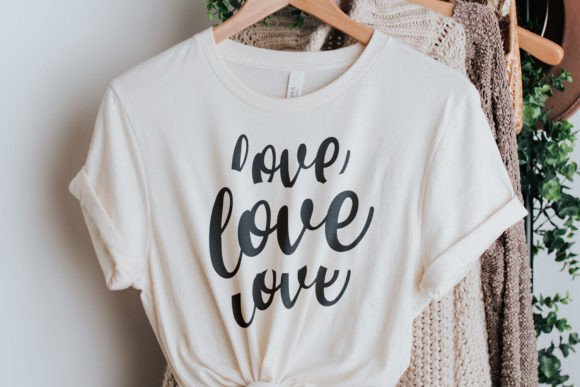
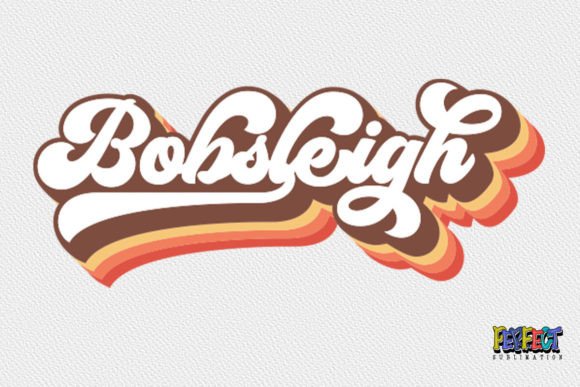
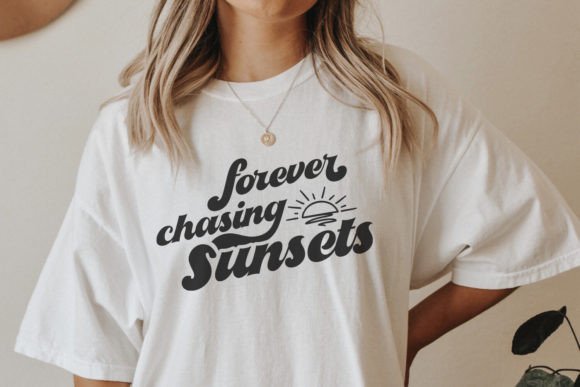
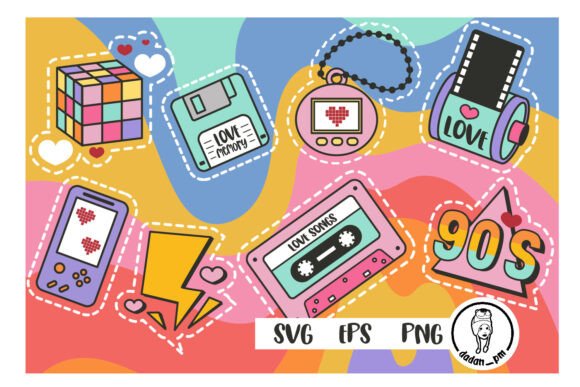
The first thing you notice about Retro Love, Valentines Groovy is its mood. It isn’t trying too hard. The aesthetic leans into that mid-century modern influence mixed with 70s psychedelic flair, creating a look that is both playful and sophisticated. For designers who specialize in custom apparel or boutique branding, this distinction matters. A lot of Valentine’s designs scream "cutesy" in a way that alienates adult buyers. This design speaks to young adults, creative entrepreneurs, and anyone who appreciates a bit of vintage charm without sacrificing contemporary style. It feels like a design that belongs on a high-quality cotton tote bag rather than a cheap polyester keychain.
Real-World Application: From Screen to Stitch
Let’s talk about how this embroidery file performs when we move it out of the software and onto the fabric. I recently had a scenario where I needed a unique piece for a small batch of handmade products for an upcoming craft fair. The goal was to create a limited run of embroidered patches and aprons that felt personal but professional. Retro Love, Valentines Groovy was my top contender.
On a structured cap or a denim sweatshirt, the bold lines of this design cut through the texture of the fabric beautifully. The groovy typography and heart motifs provide enough visual weight to stand out even on slightly textured materials. However, placement is everything. When I tested this on a curved surface like a baseball cap brim, I found that the central motif needed to be anchored firmly to avoid distortion. The design has a natural focal point that guides the eye, which helps in maintaining symmetry during the stitching process. For a tote bag design, the versatility is even higher. The layout allows for centering on the front panel or offsetting it slightly for a more casual, off-duty look. It works equally well as a standalone statement piece or as part of a larger collection of matching items.
I also considered using this for baby items. While Valentine’s themes can sometimes feel gender-neutral, the "groovy" aspect gives it a unisex appeal that parents appreciate. Imagine this stitched onto a soft muslin blanket or a hooded towel. The contrast between the retro colors and the softness of baby fabrics creates a delightful juxtaposition. It elevates a standard personalized gift into something that looks curated and intentional. Buyers on platforms like Etsy are increasingly looking for items that feel like they tell a story, and this design tells a story of love with a wink.
Navigating Fabric and Hoop Constraints
No design is perfect for every situation, and being honest about limitations is crucial for any serious maker. There are specific scenarios where Retro Love, Valentines Groovy requires careful handling. First, let’s discuss hoop size. If you are working with very small hoops, such as those used for jewelry charms or tiny accessory tags, you may lose some of the detail that makes this design special. The intricate curves and potential fill areas might become muddy if compressed too tightly. Always check your hoop size constraints before committing to a final production run.
Fabric choice is another critical factor. This design shines on stable, woven fabrics like canvas, cotton duck, or heavy-weight jersey. However, if you attempt to stitch this on a highly stretchy knit or a delicate, thin fabric without proper support, you risk puckering. The tension required to pull the threads tight for a clean finish can distort lightweight materials. In these cases, using a tear-away or cut-away stabilizer becomes non-negotiable. I recommend basting the stabilizer to the fabric before hooping to ensure maximum stability. Additionally, dark fabrics present a challenge. While the design likely includes vibrant thread colors, the background fabric can absorb light, making the stitches appear less vivid. Testing on a scrap piece of your actual garment fabric is the only way to confirm that the thread colors will pop as intended.
There is also the issue of dense stitch areas. If the design utilizes large blocks of fill stitch, you need to ensure your machine can handle the density without breaking needles or jamming. Conversely, if there are fine details meant to be rendered in running stitch or satin stitch, inspect them closely. Tiny details often get lost in the noise of embroidery, especially if the viewer is standing back from the product. For a commercial project, clarity is king. You want the customer to recognize the design instantly, not squint to figure out what they are looking at.
Visual Appeal and Brand Consistency
From a marketing perspective, Retro Love, Valentines Groovy is a strong asset. It fits seamlessly into current trends that favor nostalgia and handcrafted aesthetics. For an Etsy seller or a small shop product line, having a design that stands out in a sea of generic hearts and cupid arrows is invaluable. It signals to the buyer that you have a distinct point of view. This kind of visual personality builds brand consistency. If your shop is known for quirky, vintage-inspired goods, this design reinforces that identity.
The design also lends itself well to various presentation formats. Whether you are creating a printable mockup for your online store or photographing the physical item for social media, the composition holds up. The groovy elements add a layer of interest that photographs well, capturing attention in crowded feeds. It enhances the perceived value of the item. A simple heart is nice; a stylized, retro-inspired heart with thoughtful typography feels like a premium product. This perception directly impacts buyer engagement and conversion rates.
Practical Designer Notes for Success
To ensure you get the best results when working with this file, here are some essential steps I always recommend:
- Test on Scrap Fabric: Never skip this step. Stitch the design on a piece of the same fabric type and weight you plan to use for the final product. This reveals issues with tension, puckering, or color clash early.
- Check Thread Contrast: View your design in black and white mockups to ensure the different stitch types (like satin stitch vs. fill stitch) have enough contrast to be distinguishable. This ensures visual depth in the finished piece.
- Review Stitch Density: Look at the digitizing closely. Are there areas where the needle penetrates too frequently? High density can make the fabric stiff and uncomfortable, especially for wearable items like custom apparel.
- Confirm Licensing: Before you start selling commercial embroidery items, double-check the license terms provided by the creator. Ensure you have the right to sell finished goods made from this digital embroidery file. This protects your business and respects the artist’s work.
- Inspect Small Details: Zoom in on the finest lines. Are they clear? Will they hold their shape? If the design relies on tiny details that might fray or blur over time, consider simplifying or adjusting the design for durability.
In conclusion, Retro Love, Valentines Groovy is a versatile, stylish, and commercially viable addition to any designer’s library. It bridges the gap between fun and fashionable, making it suitable for a wide range of projects from holiday gifts to boutique merchandise. By paying attention to fabric choice, stabilization, and proper testing, you can transform this digital asset into a stunning physical reality that customers will love. It is not just a file; it is a foundation for creating memorable, high-quality handmade products.