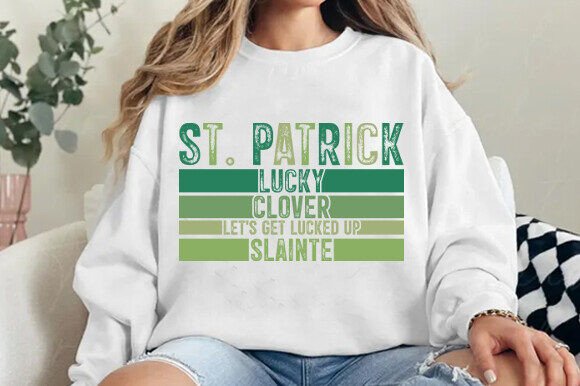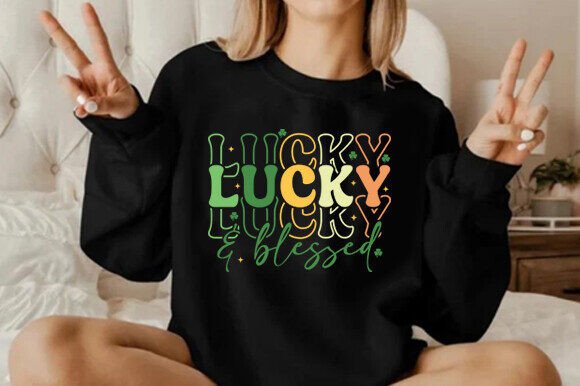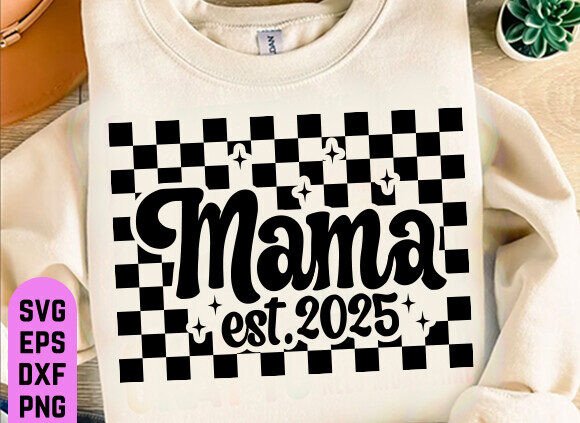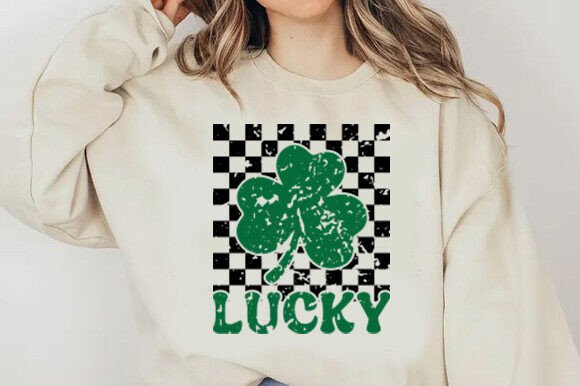
Checkered Lucky Svg, Retro St Patricks
As a designer who spends more time judging stitch density than I do drinking coffee, I approach every new digital asset with a healthy dose of skepticism. The market is flooded with generic holiday graphics, so finding something that actually translates well from a screen to fabric is rare. That is why I decided to put Checkered Lucky Svg, Retro St Patricks through its paces before recommending it for your next embroidery project. This isn't just about the visual appeal; it is about how this design behaves under the needle, how it holds up on different fabrics, and whether it adds real value to a handmade product.
The First Impression: Mood and Visual Personality
When you first load Checkered Lucky Svg, Retro St Patricks, the immediate takeaway is its strong retro aesthetic. The checkered pattern combined with the classic St. Patrick’s Day theme creates a nostalgic, playful mood that feels distinct from the typical "shamrock overload" we see every March. For an embroidery designer, this distinction is crucial. It gives your finished product a curated, boutique feel rather than a mass-produced look.
The layout appears balanced, which is vital for digitizing. A good machine embroidery design needs clear focal points and enough negative space to breathe. This graphic seems to offer that balance. It doesn’t scream for attention with chaotic elements; instead, it offers a cohesive visual story. Whether you are planning to use it as a standalone embroidery file or incorporate it into a larger composition, the visual personality suggests it belongs in casual, festive, yet stylish contexts. It feels like a design that invites interaction—perfect for a craft fair booth or a well-curated Etsy listing.
Real-World Application: From Screen to Stitch
I always ask myself: "Where would I wear this?" With Checkered Lucky Svg, Retro St Patricks, my mind immediately went to a custom embroidered tote bag. Imagine a sturdy canvas tote featuring this retro design on the front pocket. The contrast between the rough texture of the canvas and the smooth threads of the embroidery would highlight the checkered pattern beautifully. It transforms a simple accessory into a statement piece for a small business owner selling at local markets.
Another strong candidate for this design is a sweatshirt or t-shirt. As a T-Shirt Design category item, it fits naturally into apparel decoration. However, the success here depends heavily on thread color selection. If you are stitching this onto a dark fabric, you will need bright, high-contrast threads to make the retro colors pop. Conversely, on a white or cream background, the design might take on a softer, vintage vibe. I also envision this working well on baby clothes or nursery decor, where the playful nature of the graphic appeals to parents looking for unique holiday gifts.
For those running a craft business, this design offers versatility. It can be adapted into an embroidered patch for denim jackets or backpacks, adding a touch of personalization that customers love. It also works as a personalized gift idea, especially when paired with other thematic elements. The key is to view it not just as a graphic, but as a design asset that can elevate multiple product types, from kitchen towels to pillow covers.
Performance in Specific Embroidery Situations
Let’s talk about execution. When converting this to an actual digital embroidery file, the checkered pattern presents both an opportunity and a challenge. Checkers require precise alignment. If the stitch density is too low, the pattern may look muddy or lose its definition. If it is too high, the fabric might pucker, especially on lighter materials. You must ensure that the satin stitch edges around any text or primary shapes are clean and stable.
In terms of fill stitch performance, the alternating colors of the checkers need to be stitched with consistent tension. I recommend testing this on scrap fabric first to see how the threads lay against each other. On textured fabrics like fleece or heavy cotton, the design might sink slightly, which could actually enhance the retro, worn-in look. However, on thin or stretchy fabrics, you will need a reliable stabilizer to prevent distortion. Without proper support, the geometric precision of the checks could warp, ruining the professional finish.
Where Caution Is Required
No design is perfect for every situation, and Checkered Lucky Svg, Retro St Patricks is no exception. There are specific scenarios where you should exercise caution:
- Small Hoop Sizes: If you plan to embroider this on a tiny area, such as a hat brim or a small cuff, the details might get lost. Ensure the final stitched size retains enough resolution for the checkers to be distinguishable.
- Dense Stitch Areas: Avoid placing this design over existing seams or thick layers of fabric. The added bulk from the fill stitches can create uncomfortable lumps, particularly in custom apparel like hoodies or jeans.
- Dark Fabrics: While possible, stitching light-colored threads on dark fabric requires careful underlay stitching to prevent the top thread from showing through gaps. Test this thoroughly.
- Frequent Washing: For items like aprons or kitchen towels that undergo rigorous washing, ensure the design is anchored well. Loose threads on a busy pattern like checks can snag easily if the edge finishes are not secure.
Impact on Product Value and Branding
Using a high-quality Graphics source like this directly impacts customer trust. Buyers can often tell the difference between a rushed, pixelated print and a carefully executed embroidery job. When Checkered Lucky Svg, Retro St Patricks is stitched correctly, it signals professionalism. It shows that you care about the details, which justifies a higher price point for your handmade product.
From a branding perspective, this design helps establish a consistent aesthetic. If your shop focuses on retro, vintage-inspired items, this graphic reinforces that identity. It makes your Etsy listings more appealing because the mockups look realistic and polished. Customers engage more with products that have a clear visual narrative, and this design provides exactly that—a story of luck, tradition, and style.
Practical Designer Notes for Success
To get the best results, follow these practical steps before committing to a full production run:
- Test on Scrap Fabric: Always run a test stitch on the same type of fabric you intend to use. This reveals issues with thread tension or stabilizer choice early.
- Check Thread Contrast: Evaluate your thread colors against the fabric. High contrast ensures clarity, while low contrast can create a subtle, tonal effect that might not read well from a distance.
- Review Stitch Density: Inspect the digitization for overly dense areas. Adjust if necessary to prevent puckering, especially on delicate materials.
- Confirm Hoop Size: Make sure your machine’s hoop size accommodates the design dimensions without requiring awkward re-hooping.
- Inspect Small Details: Zoom in on the design elements. Are the lines crisp? Do the corners of the checks remain sharp after stitching?
- Use Proper Stabilizer: Match your stabilizer to your fabric weight. Heavy fabrics need heavy stabilizers; light fabrics need tear-away or cut-away options that won’t add unnecessary bulk.
- Verify Licensing: Before selling finished items or using this as a commercial embroidery asset, double-check the license terms. Ensure you have the right to sell physical goods made from this embroidery project.
In conclusion, Checkered Lucky Svg, Retro St Patricks is a solid addition to any designer’s library. It offers a fresh take on a classic holiday theme and performs well across a variety of mediums, from tote bag designs to holiday embroidery projects. By paying attention to the technical details and choosing the right applications, you can turn this graphic into a best-selling item for your small shop product line. Just remember to test, refine, and always prioritize quality in your finished product.