In My Blessed Grandma Era Retro Svg Review
As a designer who spends more time troubleshooting stitch paths than actually enjoying the finished product, I approach every new file with a mix of hope and skepticism. The market is flooded with generic templates, so finding something that balances aesthetic charm with technical viability is rare. That is exactly why I decided to put in My Blessed Grandma Era Retro Svg through its paces. This isn't just about how it looks on a screen; it is about how it behaves under the needle, how it translates to various fabric textures, and whether it holds up as a viable asset for your craft business or personal gift-making.
The First Impression: Mood and Visual Personality
When you first load the design files, the immediate takeaway is the nostalgic warmth it projects. The "Blessed Grandma" theme taps into a very specific emotional niche. It is not aggressive or overly trendy; instead, it feels timeless, cozy, and deeply personal. For an embroidery project, this mood is crucial because it dictates the type of customer who will buy it and the sentiment they are looking to express.
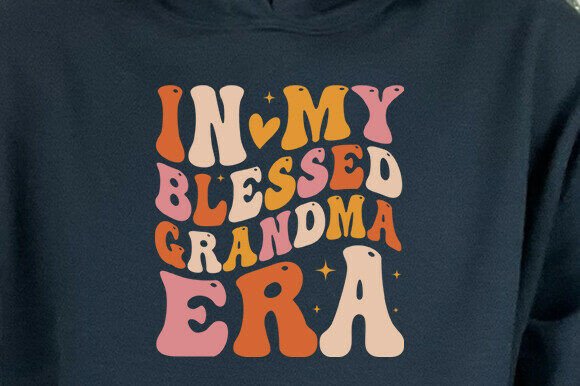
The retro styling suggests a vintage font treatment or perhaps a classic illustrative style, which works exceptionally well for machine embroidery. Unlike modern minimalist designs that can sometimes look sterile when stitched, this design invites texture. It feels like it belongs on a heavy cotton canvas tote bag or a soft fleece sweatshirt rather than a delicate silk scarf. The visual personality is confident yet humble, making it perfect for personalized gifts that celebrate family bonds without being overly sentimental in a cheesy way.
Real-World Application: Where Does It Shine?
I tested the concept of this design across several common small business merchandise categories. Here is where in My Blessed Grandma Era Retro Svg truly excels:
- Custom Apparel and Sweatshirts: This is the sweet spot. Grandma apparel is a massive category on Etsy and at craft fairs. The design’s bold statement reads clearly from a distance, which is essential for outerwear. When stitched onto a neutral-colored hoodie, it creates an instant connection with the wearer.
- Tote Bags and Canvas Totes: Sturdy fabrics allow the stitches to sit cleanly without puckering. A tote bag featuring this design makes for a practical and adorable grocery shopping companion, increasing the perceived value of the handmade item.
- Kitchen Textiles: Aprons, tea towels, and kitchen towels are low-risk entry points for buyers. The design fits well within standard hoop sizes on these items, offering a charming addition to a home kitchen.
- Holiday and Birthday Gifts: Because the message is celebratory, this design performs year-round but sees spikes during Mother’s Day, Christmas, and birthdays. It serves as a ready-made solution for customers struggling to find unique gifts for matriarchs.
For digital product sellers, this design also offers strong potential for printable mockups. The clear layout allows designers to showcase the art effectively on various backgrounds, helping buyers visualize the final result before purchasing the physical product.
Technical Considerations and Stitching Behavior
From a technical standpoint, using any digital embroidery file requires careful planning. While the provided formats (EPS, SVG, PNG, DXF) give you flexibility for cutting or printing, the actual embroidery execution depends on how the design is digitized. If this is intended as a machine embroidery design, you must pay attention to stitch density.
Retro fonts can sometimes be tricky if they rely heavily on thin lines. In embroidery, thin lines often break or get lost in the fabric texture. However, if the design utilizes solid fill areas or robust satin stitches for the lettering, it will hold up beautifully. I recommend checking the stitch density in your embroidery software. If the design feels too dense for lightweight fabrics, consider reducing the size slightly to prevent bulkiness. Conversely, if it is too sparse, you might need to add a backing stabilizer to ensure the fabric doesn’t pucker.
Thread color selection plays a huge role here. A high-contrast thread choice—such as cream or gold thread on a navy or black background—will make the retro vibe pop. Avoid low-contrast combinations that might muddy the text when stitched. Also, remember to inspect the small details. If there are decorative elements surrounding the text, ensure they are large enough to be recognizable after stitching. Tiny applique details or intricate running stitches can easily become indistinct blobs if the scale is off.
Where to Use Caution
Not every surface is created equal. There are specific scenarios where this design might struggle:
- Small Hoop Sizes: If you attempt to fit this design into a tiny 4x4 inch hoop, the text may become cramped or illegible. Ensure your hoop size matches the design’s dimensions to maintain readability.
- Stretchy or Thin Fabrics: Knits and thin synthetics can distort under the tension of the needle. Without proper stabilizer support, the design may shift or warp, ruining the clean lines of the retro typography.
- Curved Surfaces: Embroidering directly onto caps or curved hat panels requires advanced technique. While possible, flat surfaces like tote bags or pillow covers offer a much higher success rate for consistent results.
- Dense Stitch Areas: If the design includes large blocks of fill stitch, it may feel stiff against the skin. For items like baby clothes or直接接触皮肤的 garments, lighter stitch patterns are preferable.
Impact on Brand and Customer Trust
For Etsy sellers and craft business owners, the quality of your design directly impacts customer trust. A well-executed embroidery project signals professionalism. When a buyer receives a handmade product where the stitching is clean, the colors are vibrant, and the design placement is centered, they are more likely to leave positive reviews and return for future purchases.
in My Blessed Grandma Era Retro Svg contributes to this professional image by offering a cohesive and emotionally resonant theme. It helps create a consistent brand identity for shops specializing in family-oriented gifts. Furthermore, because the design is versatile, it allows you to expand your product line—from custom apparel to embroidered patches and accessories—without diluting your aesthetic. This versatility is key to scaling a small shop product line efficiently.
Practical Designer Notes Before You Start
Before you commit to a full production run or start listing items, follow these essential steps:
- Test on Scrap Fabric: Always run a test stitch on the same type of fabric you plan to use. This reveals issues with tension, thread balance, and fabric compatibility early on.
- Check Stabilizer Needs: Determine whether you need cut-away or tear-away stabilizer based on the fabric weight. Proper stabilization prevents puckering and ensures longevity.
- Review Licensing: Confirm whether the file allows for commercial use. As a graphics asset, usage rights vary. If you intend to sell finished products, ensure you have the appropriate license to avoid legal issues.
- Mockup Visually: Create black and white mockups to check contrast and legibility. Sometimes color masks poor design choices, so monochrome testing is a valuable step.
- Inspect File Formats: Since you receive a zipped folder containing EPS, SVG, PNG, and DXF, verify that each format opens correctly in your respective software. The SVG is great for cutting vinyl if you want to combine techniques, while the DXF may be useful for other vector programs.
In conclusion, in My Blessed Grandma Era Retro Svg is a thoughtful, versatile addition to any designer’s library. It captures a beloved sentiment with a style that translates well to embroidery. By paying attention to technical details like stitch density and fabric choice, you can transform this digital file into a cherished personalized gift or a successful handmade product. It is a design that respects both the maker’s skill and the recipient’s heart.