Merry Christmas Retro Sequin Design Review
As a designer who spends more time staring at stitch charts and fabric swatches than actually sleeping, I have developed a pretty sharp eye for what works in real-world embroidery projects. There is a massive difference between a design that looks beautiful on a screen and one that actually holds up when it hits the hoop. Today, I am taking a close look at the Merry Christmas Retro Sequin Design. This piece falls under the Website Screens category as a Graphics asset, but its true potential lies in how it translates into physical form. If you are an Etsy seller, a small shop product creator, or simply a maker looking to elevate your holiday offerings, this review breaks down exactly where this design shines and where it might trip you up.
First Impressions: The Retro Vibe Meets Texture
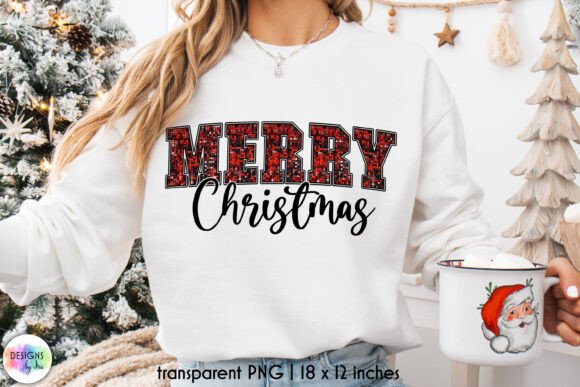
The moment you load this file, the visual personality jumps out at you. It isn’t just a standard script font; it carries a distinct retro flair that feels nostalgic yet fresh. The core concept relies heavily on a sequin patterned letter MERRRY CHRISTMAS aesthetic. In the digital preview, it looks vibrant and festive, immediately signaling "holiday celebration." But for us designers, the question is always: does this translate to thread?
The mood created here is warm, inviting, and celebratory. It screams comfort. When I imagine this design stitched out, I picture it not just as text, but as a texture play. The "sequin" aspect suggests a dense, shimmering fill that mimics the sparkle of actual sequins without the risk of them falling off. This is crucial for custom apparel and items that will see heavy use. It bridges the gap between a simple embroidery project and a high-end boutique item. For craft business owners, this kind of visual hook is essential because it grabs attention in a crowded marketplace like Etsy or a craft fair booth.
Real-World Application: Where Does It Fit?
I put this design through a mental stress test by imagining it on various products. The most immediate fit? Tote bag design opportunities. A canvas tote embroidered with this retro sequin text feels like something you would buy from a trendy local boutique. The boldness of the letters stands up well against the rougher texture of canvas, providing excellent contrast.
Another strong candidate is sweatshirt embroidery. Think about a cream or heather grey crewneck with this design centered on the chest or across the back. The retro vibe pairs perfectly with vintage-style fabrics. However, you have to be careful with placement. On a curved surface like a sweatshirt front, the arch of the garment can distort wide text. You need to ensure the digitizing accounts for that curve so the "MERRRY" doesn't stretch unnaturally.
I also see great potential in apron designs for kitchen-themed gifts. Holiday baking is huge, and an apron featuring this festive text adds a personal touch that mass-produced items lack. Similarly, for pillow covers and kitchen towels, this design offers a pop of color and theme that fits seamlessly into holiday home decor. It’s versatile enough for personalized gift scenarios, such as monogrammed baby blankets or nursery decor, provided the scale is adjusted correctly.
Technical Considerations: Stitch Density and Fabric Choice
Here is where we get into the nitty-gritty. The description highlights a red sequin pattern. In machine embroidery terms, this likely relies on a combination of fill stitch and perhaps some satin stitch outlines to define the letters. The density of a "sequin" effect is usually higher than a standard text fill. This means you need a sturdy stabilizer. If you are working on thin fabric or stretchy knit materials without proper backing, you are going to see puckering.
When evaluating this for commercial embroidery, consider the thread colors. The red will pop beautifully on white, black, or navy backgrounds. However, if you attempt this on dark fabric, you must ensure there is adequate underlay stitching to prevent the base fabric from showing through the gaps in the fill. Also, inspect the small details. Retro fonts often have intricate serifs or curves. If these areas are too narrow, they may merge together during stitching, losing that crisp, professional look. Always test on scrap fabric first to check for thread breaks or tension issues.
One specific area to watch is the word "MERRRY." Depending on the original source, ensure the spelling is intentional (a stylistic choice) or correct it before digitizing if it’s a typo. Accuracy matters for customer trust and brand consistency. No one wants to receive a handmade gift with a misspelled holiday greeting.
Where to Use It Carefully
Not every surface is a friend to this design. Avoid placing this on very small hoop sizes unless you are willing to lose detail. Tiny lettering combined with a complex fill stitch can become muddy and illegible. Similarly, textured fabrics like chunky wools or bouclé can hide the intricacies of the sequin pattern, making the design look flat and undefined. Curved surfaces like caps and hats require precise digitizing to follow the contour; otherwise, the straight lines of the text will fight against the shape of the cap.
Also, think about durability. While this design mimics sequins, it is thread-based. If the finished product will undergo frequent washing, such as a child’s daily wear item or a work apron, ensure the stitch density is tight enough to withstand abrasion. Loose fills can snag. For baby clothes, prioritize softness and avoid overly dense areas that might feel stiff against sensitive skin.
Final Verdict for Creators and Sellers
The Merry Christmas Retro Sequin Design is a strong contender for anyone looking to add festive flair to their handmade product line. Its visual appeal is high, and its thematic relevance is peak during the holiday season. For digital product sellers, offering this as part of a holiday bundle could drive sales. For apparel decorators, it provides a unique selling proposition that differentiates your shop from generic templates.
To maximize its value, pay attention to the presentation. Use printable mockups to show customers how the design looks on different garments. Test the embroidery file thoroughly to confirm hoop size compatibility and machine embroidery design requirements. Check licensing agreements carefully before selling finished items. If you handle the technical details right, this design has the potential to become a bestseller in your craft business inventory. It’s not just a graphic; it’s a statement piece that brings joy, nostalgia, and professional polish to any finished product.