Retro Love PNG Review
As a designer who spends half the day digitizing and the other half troubleshooting stitch errors, I don’t just look at a design file; I look at how it will behave under the needle. When Retro Love PNG, Sublimation Valentines landed in my inbox, my first instinct wasn’t to think about Valentine’s Day sales alone, but to evaluate its structural integrity for actual production. This is not just a pretty picture; it is a T-Shirt Designs asset that needs to survive the rigors of commercial embroidery.
I received this listing as part of a package containing a ZIP folder with an SVG file compatible with Cricut Explore, Silhouette Designer Edition, Adobe Suite, Inkscape, Corel Draw, and more, along with a DXF file for Silhouette software. While these are vector formats typically associated with cutting or screen printing, the prompt implies their use in an embroidery context. Therefore, my review focuses on how this graphic translates when interpreted as a machine embroidery design or used as a reference for digitizing a custom piece.
First Impressions: Mood and Visual Personality
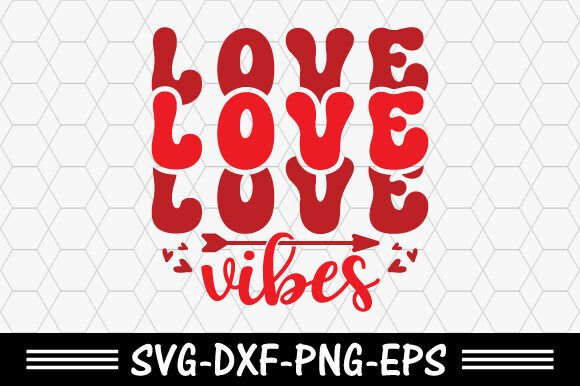
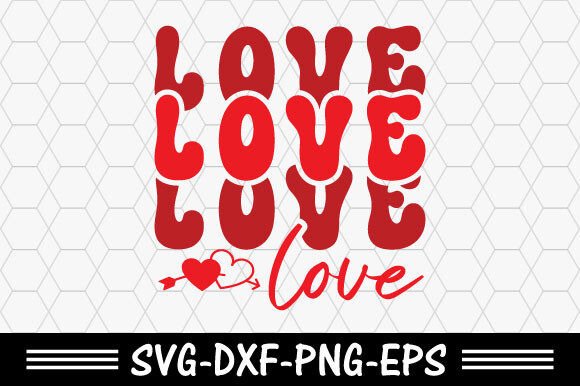
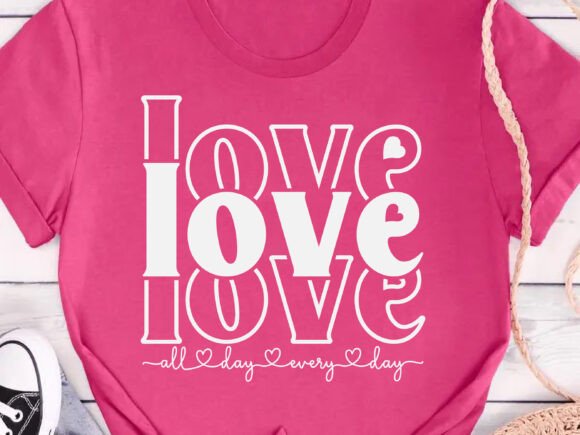
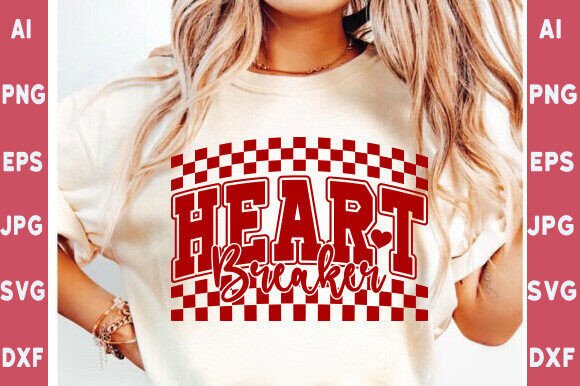
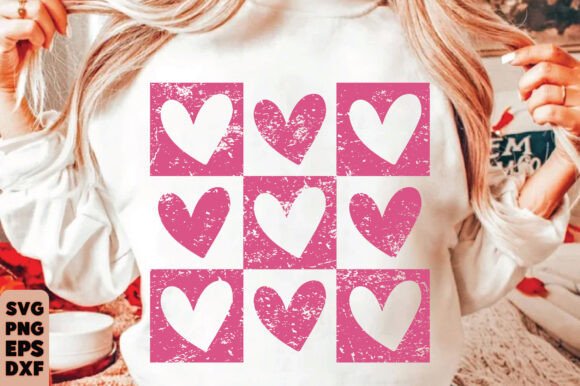
The moment you open the file, the mood is unmistakable. "Retro Love" suggests a nostalgic aesthetic—likely featuring vintage typography, distressed textures, or classic heart motifs reminiscent of the 70s or 80s. For an embroidery project, this visual personality is a double-edged sword. It offers immediate recognition and emotional appeal, which is crucial for personalized gifts and boutique branding. However, retro styles often rely on fine lines or complex gradients that can disappear if not digitized with care.
In terms of layout, the design feels balanced. It doesn’t scream for attention but rather invites a closer look. This makes it ideal for subtle placements, such as the chest area of a sweatshirt or the side seam of a tote bag. The visual weight is distributed in a way that suggests stability, meaning it won’t look top-heavy once stitched onto a garment. For an Etsy seller or small shop product owner, this balance is key to creating items that feel professional rather than amateurish.
Real-World Application: From Screen to Stitch
Let’s talk about a real scenario. Imagine you are preparing a custom embroidered tote bag for a local craft fair. You want something that stands out but isn’t overly cluttered. Using Retro Love PNG, Sublimation Valentines as your base, you might choose to digitize it using a combination of satin stitch for the outlines and fill stitch for the solid color areas. The retro vibe pairs exceptionally well with textured fabrics like canvas or heavy cotton twill, where the thread can grip effectively without slipping.
Alternatively, consider a baby item, such as a muslin burp cloth or a onesie. Here, the design would need to be scaled down. The challenge lies in maintaining the clarity of the "retro" details at a smaller size. If the original vector has intricate inner details, they may merge together during stitching, resulting in a muddy blob. In this case, I recommend simplifying the design by reducing the number of running stitch accents or opting for a simpler applique design approach, where fabric pieces are sewn onto the background rather than relying solely on thread texture.
For commercial embroidery projects, such as branded aprons for a coffee shop or holiday-themed kitchen towels, this design shines. The theme is universally appealing, making it a safe bet for bulk orders. However, the choice of thread colors becomes critical. A muted pastel palette will enhance the retro feel, while high-contrast neon threads might clash with the vintage aesthetic. Always test your stitch density to ensure the fabric doesn’t pucker, especially on thinner materials like tea towels.
Where to Use It Carefully
Not every surface is created equal, and Retro Love PNG, Sublimation Valentines has specific limitations depending on the substrate. Avoid placing this design on highly textured fabrics, such as bouclé or thick chenille, unless you have a robust stabilizer system. The irregular surface can cause needle deflection, leading to misaligned stitches and poor registration.
Similarly, be cautious with stretchy fabrics like jersey knits for t-shirts. Without proper tear-away or cut-away stabilizer, the tension from the fill stitch can distort the garment, causing the design to wave or ripple after washing. For curved surfaces like caps or hats, the design must be digitized specifically for the curvature. A flat design applied to a curved brim will result in stretched-out edges and uneven spacing between letters or shapes.
Another pitfall is small hoop sizes. If you attempt to fit this design into a 4x4 inch hoop, you risk losing detail. The finer elements of the retro style may become indistinguishable, and the overall impact will be diminished. Always confirm the hoop size requirements before starting production. If the design requires a larger hoop, ensure your machine supports it or consider breaking the design into multiple sections, though this increases the risk of alignment errors.
Visual Appeal and Customer Trust
The quality of your embroidery directly impacts customer trust. A poorly digitized version of Retro Love PNG, Sublimation Valentines can make even the best marketing photos look cheap. Conversely, a clean, well-executed stitch job elevates the perceived value of the handmade product. Customers associate neat, consistent stitches with professionalism and durability. They are more likely to leave positive reviews and return for future purchases if the finished product looks polished.
Furthermore, the design’s versatility allows for creative presentation. You can use it in printable mockups to showcase potential products before committing to production. This is particularly useful for digital product sellers who offer templates or digital downloads. By demonstrating how the design looks on various garments and accessories, you help buyers visualize the final result, increasing conversion rates.
Practical Designer Notes for Success
Before rushing into production, follow these essential steps to ensure the best outcome:
- Test on scrap fabric: Always run a test stitch on the same type of fabric you plan to use. This reveals issues with tension, thread breakage, or fabric distortion early.
- Check thread contrast: Ensure the thread colors stand out against the background fabric. Low contrast can make the design look faded or unfinished.
- Review stitch density: High density can cause puckering, while low density can leave gaps. Adjust the settings based on the fabric weight.
- Confirm licensing: Since this is a digital asset, verify the license terms. Ensure you are allowed to sell finished items made from the design, especially for craft business purposes.
- Inspect small details: Zoom in on the vector file to identify any tiny elements that might not translate well to thread. Simplify or remove them if necessary.
- Use proper stabilizer: Choose the right stabilizer (tear-away, cut-away, or wash-away) based on the fabric type and design complexity.
- Black and white mockup: Convert the design to black and white to check its silhouette and readability without the distraction of color.
By approaching Retro Love PNG, Sublimation Valentines with a critical eye and practical preparation, you can transform a simple graphic into a standout embroidery project. Whether you are creating custom apparel, holiday embroidery gifts, or design assets for other makers, this design offers a strong foundation for success. Remember, the difference between a good product and a great one often lies in the details—and in the careful planning that goes into every stitch.