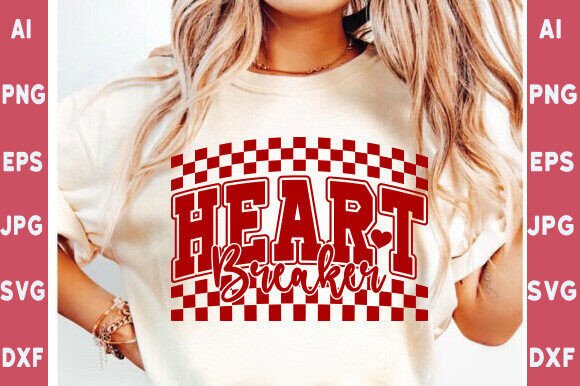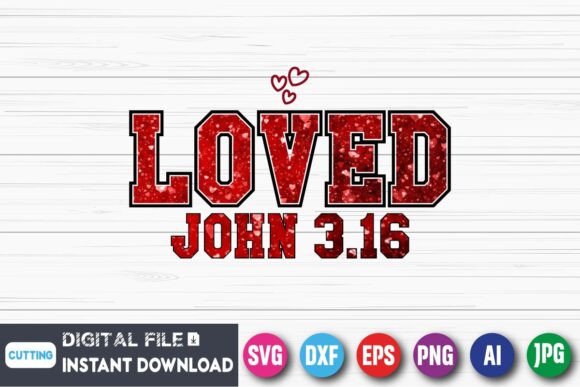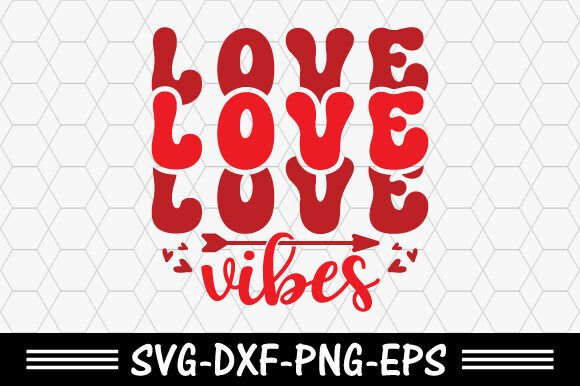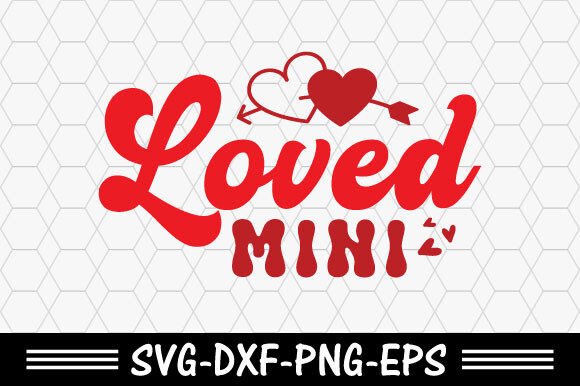
Retro Valentine Svg, Loved Mini Review
As a designer who spends more time looking at stitch density charts than actual valentines, I approach every new digital asset with a mix of hope and skepticism. We all know the landscape: thousands of "cute" files flood the market every February, only to end up as cluttered, unprofitable inventory or frustrating hoops full of tangled thread. When I pulled Retro Valentine Svg, Loved Mini Svg, Love into my workspace this week, I wasn’t just looking for a pretty picture; I was evaluating it as a viable tool for real-world production.
This isn't just about how it looks on a screen. It is about how it translates from a vector file into a tangible handmade product. Whether you are an Etsy seller, a boutique owner, or a hobbyist making personalized gifts, your time is money. You need designs that stitch cleanly, sell quickly, and look professional in the final output. Here is my honest breakdown of how this design performs when moved from the computer to the embroidery machine.
The First Impression: Mood and Visual Personality
The moment you open the file, the aesthetic is immediately clear. The name Loved Mini suggests intimacy and scale, and the design delivers on that promise. It captures a specific retro vibe—think mid-century typography mixed with soft, rounded shapes—that feels nostalgic without being dated. For a T-Shirt Designs category, this stands out because it avoids the overly literal heart-and-arrow clichés that saturate the market.
Visually, the layout is balanced. It has enough negative space to breathe but enough detail to feel substantial. In the world of embroidery project planning, balance is everything. If a design is too heavy on one side, your hooping becomes a nightmare. If it is too sparse, it might get lost on a garment. This file strikes a comfortable middle ground. It feels like a custom apparel piece that would sit naturally on a chest pocket or a tote bag center without overwhelming the fabric.
Real-World Application: Where Does It Fit?
I took this design through several mental simulations of actual customer orders. The versatility of Retro Valentine Svg, Loved Mini Svg, Love is its strongest selling point. Here is where I see it shining:
- Personalized Gifts & Baby Items: The "mini" aspect makes it perfect for baby onesies, bibs, or small nursery decor. The retro style pairs beautifully with muted pastels or classic primary colors, fitting right into current nursery trends.
- Craft Business Merchandise: For small shop product owners, this is a high-margin item. Imagine this embroidered on a canvas tote bag design or a linen tea towel. The clean lines translate well to these materials, offering a premium feel that customers are willing to pay for.
- Holiday Embroidery: While tied to Valentine’s Day, the retro aesthetic gives it a longer shelf life. It doesn’t scream "February 14th" as loudly as neon pink hearts, allowing you to keep stock on hand or use it for anniversary gifts year-round.
- Commercial Embroidery: If you are producing branded merchandise for local businesses, this design offers a level of sophistication that generic clip-art does not. It elevates the brand perception.
However, context matters. A digital embroidery file is only as good as the substrate it lands on. I envision this working exceptionally well on sturdy cotton twill for caps or structured bags. On delicate silks or stretchy knits, caution is required (more on that below).
Technical Performance and Stitch Clarity
When reviewing any embroidery file, I always ask: Will this stitch out reliably? From the visual structure of the SVG, the design appears to rely heavily on clean outlines and solid fills. This generally bodes well for stability.
If executed correctly, the satin stitch edges should be crisp, providing a sharp contrast against the fabric. The internal elements likely utilize a combination of fill stitch and running stitch for texture. The key here is stitch density. If the density is too high, the fabric will pucker, ruining the finished product quality. If it is too low, the stabilizer might show through. Assuming standard settings, this design seems optimized for medium-density stitching, which is the sweet spot for most home and commercial machines.
The color palette potential is also worth noting. Because the design is retro, it invites creative thread colors. You aren't stuck with red and white. Deep burgundy, mustard yellow, sage green, or even monochromatic black-on-black could work beautifully, giving you multiple product variations from a single file.
Where to Exercise Caution
No design is perfect for every scenario. There are specific situations where Retro Valentine Svg, Loved Mini Svg, Love might present challenges:
- Small Hoop Sizes: While labeled "mini," if you attempt to place this on a very small area, such as a child's collar or a tiny patch, ensure your machine can handle the minimum dimensions without cutting off details. Always test before committing to a client order.
- Textured Fabrics: Avoid placing intricate details on bouclé, heavy tweed, or sherpa fleece. The needle penetration may be inconsistent, leading to skipped stitches or misaligned registration.
- Stretchy Fabrics: Knits require careful handling. Without proper stabilization, the retro curves might distort during stitching. Use a cut-away stabilizer and consider a tear-away top stabilizer to keep the surface flat.
- Dense Stitch Areas: If the design includes thick fill areas, avoid using it on thin fabrics like chiffon or lightweight polyester unless you are confident in your tension settings. Excessive thread weight can cause puckering.
Practical Designer Notes for Success
To get the best results from this asset, follow these practical steps before you start mass-producing:
- Test on Scrap Fabric: Never run a new design directly onto your final product. Use scrap pieces of the exact fabric you plan to sell. Check for puckering, thread breaks, and color contrast.
- Check Thread Color Contrast: Retro designs often rely on subtle tonal differences. Ensure your chosen threads provide enough contrast against the background fabric. A light gray design on a white shirt might disappear.
- Review Stitch Density: Zoom in on the digital preview. Are there overlapping stitches that shouldn't be there? Adjusting the density in your software can save hours of re-hooping.
- Confirm Hoop Size: Verify that the design fits comfortably within your standard hoop sizes (e.g., 4x4, 5x7, 6x10). Leaving adequate margin around the edge prevents accidental trimming.
- Inspect Small Details: Look closely at corners and thin lines. These are the first things to fray or break. If details are too fine, consider simplifying them in your editing software.
- Black and White Mockups: View the design in grayscale. This helps you assess the balance and composition without being distracted by color. If it works in black and white, it will work in color.
- Compare Backgrounds: Test the design on both light and dark backgrounds. A design that pops on white might vanish on navy blue.
- Use Proper Stabilizer: The choice of stabilizer (cut-away vs. tear-away) significantly impacts the final look. Match the stabilizer to the fabric weight and stretch.
- Check Licensing: Before selling finished items or digital products, confirm the licensing terms. Some files are for personal use only, while others allow commercial sales. This is crucial for protecting your craft business.
Final Verdict
Retro Valentine Svg, Loved Mini Svg, Love is a strong contender for anyone looking to add a touch of vintage charm to their embroidery project lineup. It is versatile, visually appealing, and technically sound for most standard applications. It fits seamlessly into the Graphics and T-Shirt Designs categories, offering endless possibilities for personalized gift creation.
For the embroidery designer seeking efficiency and aesthetic appeal, this file offers a good return on investment. It is not just another heart shape; it is a curated design element that speaks to a specific taste. By following the technical precautions outlined above, you can ensure that every finished product you create reflects the same professionalism and care that went into designing the file itself. Just remember to check your specific machine compatibility and license terms, and you will be well on your way to creating beautiful, sellable goods.