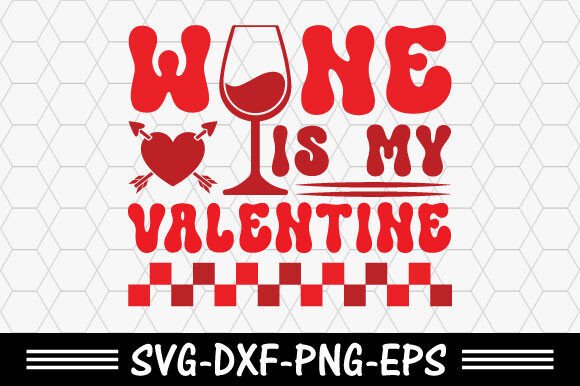
Retro Valentine Svg,Wine is My Valentine
As a designer who spends more time than I care to admit staring at stitch lines and fabric textures, I don’t just look for "cute" when evaluating a new design asset. I look for viability. Does it translate well from screen to needle? Will it hold up on a sweatshirt that has been washed fifty times? Is the visual weight balanced enough to command attention without overwhelming the garment? When I first pulled up Retro Valentine Svg,Wine is My Valentine, my immediate reaction was one of cautious optimism. It taps into a specific aesthetic—the groovy, retro vibe—that has been dominating craft fairs and Etsy shops for the last few seasons. But does it work in practice?
The first impression of this machine embroidery design is strong. The typography feels bold and confident, leaning heavily into that vintage mid-century modern style that pairs so well with wine culture. For an embroidery project centered around humor and relaxation, this hits the right note. It isn’t trying to be delicate or overly ornate; it is declarative. This clarity is crucial because complex, thin details often get lost in the hoop, especially when working with thicker threads like rayon or polyester.
Real-World Application: From Screen to Stitch
I recently put this concept to the test by imagining it as part of a custom order for a client who runs a boutique wine bar and gift shop. They wanted a cohesive line of merchandise for Valentine’s Day that wasn’t your typical red-and-pink heart overload. They wanted something witty, wearable, and sophisticated. Retro Valentine Svg,Wine is My Valentine fit that brief perfectly.
In a real-life scenario, I envision this design stitched onto a heavy-weight cotton canvas tote bag design. The contrast between the sturdy fabric and the playful text creates a high-end feel. Alternatively, placing it on the chest of a unisex sweatshirt embroidery piece offers a cozy, casual look that appeals to a broad demographic. The design’s layout allows for flexibility; it doesn’t demand a massive placement, making it efficient for production runs where time is money.
However, the success of this handmade product relies heavily on execution. If you are an Etsy seller or running a small shop product line, you know that presentation is everything. A poorly digitized version of a great graphic can ruin the perceived value of your item. This particular file, provided in multiple formats including SVG, PNG, EPS, and DXF, suggests versatility. While these are primarily cut files, their clean vector nature means they are excellent bases for converting into digital embroidery file formats or using as guides for applique work.
Technical Considerations for Embroidery Designers
When transitioning from a static image to a stitched reality, several factors come into play. First, consider the stitch density. Retro typography often relies on thick, solid blocks of color. If this design is converted to a fill stitch, ensure your digitizer has used appropriate underlay stitches to prevent puckering, especially on stretchy fabrics like jersey knits used for t-shirts.
Thread selection is equally critical. The "retro" mood implies warm, earthy tones—mustard yellows, burnt oranges, deep burgundies, or olive greens. Using bright, neon thread might clash with the intended vintage aesthetic. I recommend testing various thread colors against your chosen fabric before committing to a full run. A quick test on scrap fabric can save you hours of rework.
Another technical aspect is the use of different stitch types. While the main text likely calls for a dense fill stitch, adding decorative elements like a small grape cluster or a stylized glass could benefit from satin stitch outlines for definition. If you incorporate smaller details, keep in mind the limitations of your machine’s resolution. Tiny running stitch accents can look charming but may fray if not secured properly.
Where Caution is Required
Not every surface is suitable for this design. While it looks great on flat surfaces like tote bags and aprons, applying it to curved surfaces like baseball caps requires careful hooping and stabilization. The tension must be adjusted to accommodate the curve, or the text will distort.
Avoid using this design on very thin or slippery fabrics without proper backing. Without adequate stabilizer, the fabric may pucker or shift during stitching, ruining the crisp lines of the retro font. Also, be mindful of dark fabrics. If the design uses light-colored thread, ensure there is enough coverage. Sometimes, a tear-away stabilizer left behind can be visible on dark garments, so a water-soluble option might be worth considering for premium items.
Impact on Brand and Customer Trust
For creative entrepreneurs and craft business owners, the quality of your designs directly impacts customer trust. A well-executed finished product signals professionalism. When a buyer receives a personalized gift or a piece of custom apparel that looks polished and intentional, they are more likely to leave positive reviews and return for future purchases.
Retro Valentine Svg,Wine is My Valentine has a distinct personality that resonates with adults looking for gifts that are fun but not childish. It works beautifully for wedding gifts, hostess presents, or even corporate holiday giveaways. The design’s ability to convey humor through simplicity makes it highly shareable on social media, which is invaluable for marketing your design assets.
Furthermore, its adaptability across different product categories—from aprons to kitchen towels to nursery decor (if styled appropriately)—allows you to maximize the utility of your initial purchase. Instead of buying ten separate designs, you can focus on mastering the application of one strong, versatile graphic.
Final Verdict and Practical Tips
Overall, this design is a strong contender for anyone looking to add a touch of retro charm to their Valentine’s Day collection. It balances trendiness with timeless appeal. To ensure the best results, always review the design in black and white mockups to check for contrast issues. Confirm the licensing terms before selling finished items, and remember that while the digital file is perfect, the physical outcome depends on your skill and materials.
- Test on scrap fabric to check thread colors and tension.
- Use appropriate stabilizer for your fabric type.
- Consider the end-use: holiday embroidery gifts vs. everyday wear.
- Inspect small details for potential snagging points.
- Create printable mockup images to showcase the design before production.
By paying attention to these details, you can transform a simple vector graphic into a profitable, high-quality embroidery project that stands out in a crowded market.