Old-Fashioned Telephone with Heart Dial Review
As a designer who spends more time than I care to admit staring at stitch lines and debating thread color palettes, I don’t just look for "pretty" graphics. I look for viability. When an Illustrations category asset like the Old-Fashioned Telephone with Heart Dial lands on my desk, my first instinct is not to admire its vintage charm, but to ask: How will this hold up in a hoop?
This isn't just another clipart image; it is a specific design asset that promises nostalgia with a romantic twist. For those of us running small shops, managing Etsy listings, or creating bespoke gifts, the difference between a good graphic and a great machine embroidery design lies in execution. Below is my honest breakdown of how this design performs when moved from screen to fabric, and where it shines—or stumbles—in real-world application.
The First Impression: Nostalgia Meets Craft
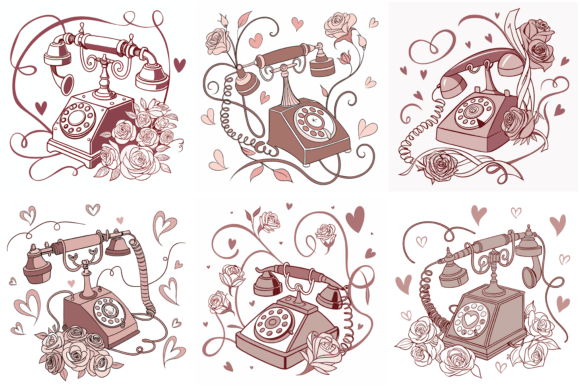
The visual personality of the Old-Fashioned Telephone with Heart Dial is immediately distinct. It taps into that mid-century aesthetic that has remained popular in home decor and fashion for decades. The silhouette of the rotary phone is iconic, recognizable, and inherently charming. By integrating a heart-shaped dial, the design adds a layer of thematic depth that makes it perfect for Valentine’s Day, anniversaries, or simply celebrating enduring love.
From a pure embroidery project standpoint, the composition feels balanced. There is enough negative space around the main subject to allow for clean digitizing, which is crucial for maintaining the integrity of the lines. It doesn’t feel cluttered. This balance suggests that the original artist understood the constraints of reproduction, whether that be print or stitch. For a handmade product maker, this clarity is a gift. It means less guesswork when converting the digital embroidery file into stitches.
Real-World Application: Where This Design Belongs
Let’s talk about putting this to work. I recently imagined using this design for a custom order—a set of matching aprons for a couple celebrating their 50th anniversary. The concept was to place the telephone on the chest pocket area of a heavy cotton canvas apron. Here is why that works so well:
- Visual Weight: The telephone shape provides a solid central anchor. On a tote bag design or a sweatshirt embroidery, this central focus draws the eye immediately without overwhelming the garment.
- Theme Versatility: While heavily tied to romance due to the heart dial, the vintage nature of the phone allows it to cross over into general retro decor. It fits beautifully on kitchen towels, pillow covers, and even nursery decor if paired with softer colors.
- Giftability: Personalized gifts sell because they tell a story. This design tells a story of connection and history. It elevates a standard item into a keepsake, increasing the perceived value of your small shop product.
I also see strong potential for embroidered patches. If digitized correctly, the outline of the phone and the heart could be rendered as a sturdy patch, perfect for adorning denim jackets or baseball caps. The retro vibe pairs exceptionally well with rugged fabrics, creating a contrast that appeals to modern craft business trends.
Technical Considerations for Embroidery
Not every graphic translates equally well to thread. Here is where we need to be practical. The success of the Old-Fashioned Telephone with Heart Dial depends heavily on how you handle the details during the digitizing process.
Stitch Density and Detail: The dial of a rotary phone contains numbers and often letters. In a high-resolution PNG or SVG, these are crisp lines. In embroidery, however, tiny text can become muddy if the stitch density is too low or the needle punch is too aggressive. You must inspect the small details closely. If the numbers are too small, consider simplifying them or removing them entirely to maintain a clean, professional look. A blurry dial looks cheap; a bold, simplified dial looks intentional and stylish.
Fabric Compatibility: This design thrives on stable, medium-to-heavy weight fabrics. Think denim, canvas, thick cotton blends, or felt. These materials provide the necessary structure to support the fill stitch areas without puckering. However, caution is advised when using this on stretchy knits or very thin linens unless you use a high-quality cut-away stabilizer. Without proper stabilization, the tension of the threads pulling against the fabric can distort the round shape of the telephone, making it look oval or warped.
Thread Colors and Contrast: The mood of this piece shifts dramatically based on your thread colors. A classic black phone on white fabric screams retro chic. A pastel pink phone on cream fabric leans soft and romantic. Always test your color palette on scrap fabric before committing to the final product. Dark fabrics require lighter, brighter threads to ensure the satiny edges pop, while light fabrics allow for deeper, richer tones.
Where to Use With Caution
While versatile, there are scenarios where this design might struggle:
- Small Hoop Sizes: If you are trying to squeeze this into a 4x4 hoop, the details may compete for space. Ensure the hoop size accommodates the entire design with adequate breathing room.
- Curved Surfaces: Attempting to embroider this directly onto the curved crown of a cap can be tricky. The flat perspective of the graphic might look distorted on a 3D surface. It is better suited for flat panels or pre-curved brim sections where the fabric lays flatter.
- Textured Fabrics: Bouclé, terry cloth, or heavy fleece can hide the fine lines of the heart dial. The texture competes with the detail, resulting in a loss of definition.
Professional Advice for Sellers and Makers
If you are an Etsy seller or a creative entrepreneur looking to integrate this into your catalog, here is my checklist for success:
- Test Before You Sell: Never assume a digital file will stitch perfectly. Run a test on the actual fabric you plan to use. Check for thread breaks, tension issues, and stability.
- Black and White Mockups: Convert your design preview to black and white. This helps you judge the contrast and legibility of the shapes without the distraction of color. If it doesn’t read well in grayscale, it likely won’t stitch well either.
- Licensing Verification: Since this is sold as a graphic asset (EPS, PNG, SVG), verify the license terms carefully. Does it allow for commercial use of finished physical goods? Can you sell unlimited quantities? Clear licensing protects your reputation and your bottom line.
- Marketing Angle: When listing your finished product, highlight the craftsmanship. Show close-ups of the satin stitches along the curves of the phone. Emphasize the durability and the personalized touch. Customers buy the quality of the execution as much as the design itself.
Final Verdict
The Old-Fashioned Telephone with Heart Dial is a strong contender for any designer’s library. It offers a blend of nostalgic appeal and romantic sentiment that resonates with a wide audience. Its clean lines and recognizable shape make it adaptable across various mediums, from custom apparel to home decor.
However, its success relies on your technical skill. Respect the details, choose your fabrics wisely, and prioritize stability. When executed correctly, this design transforms from a simple graphics download into a cherished piece of wearable art. It is not just a picture of a phone; it is a statement of style, history, and care—qualities that every handmade brand should strive to embody.
For those willing to put in the prep work, this design delivers high visual impact and strong customer engagement. It is a reliable tool for building a cohesive, professional brand identity in the competitive world of handmade goods.