Squid Ink Sketch Review
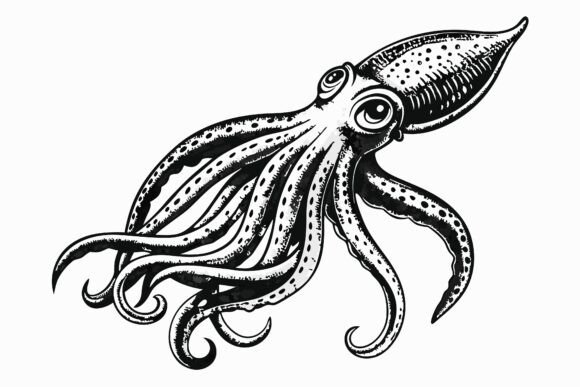
When I pull a new design file from my library to test for a client project or a personal craft fair run, I’m looking for more than just a pretty picture. I need to know if it holds up under the needle, how it translates from a digital vector into tangible thread, and whether it will resonate with the person wearing or holding the finished item. Recently, I’ve been evaluating Squid Ink Sketch. Isolated on White Back, a retro-style hand-drawn vector illustration that promises a distinct artistic flair. After running through several mental simulations of stitching this out on various fabrics, here is my practical breakdown of how this design performs in real-world embroidery scenarios.
First Impressions: The Retro Vibe
The immediate visual appeal of Squid Ink Sketch. Isolated on White Back lies in its nostalgic character. The "retro style" descriptor isn't just a buzzword here; it suggests a specific line weight and organic imperfection that feels authentic rather than algorithmic. As an illustrator, I appreciate when a design retains the "hand-drawn" quality even when digitized. This particular piece has a timeless, artistic desi (design) energy that works beautifully for brands aiming for a boutique, artisanal look.
The isolation on a white background is a functional advantage. It means there are no hidden transparent layers or messy clipping paths to troubleshoot during the digitizing process. For embroidery designers and Etsy sellers, this clarity simplifies the prep work, allowing you to focus on color selection and placement rather than file cleanup. The mood is playful yet sophisticated, making it versatile enough for everything from children’s nursery decor to trendy adult apparel.
Real-World Application: From Screen to Stitch
Let’s talk about where this design truly shines. I imagine Squid Ink Sketch. Isolated on White Back performing exceptionally well on structured items that can support the visual weight of a bold, sketchy outline. Consider a custom embroidered tote bag made of heavy cotton canvas. The contrast between the dark ink-style lines and the natural fabric texture would create a striking, high-end look. It transforms a simple accessory into a statement piece, perfect for a craft business targeting eco-conscious consumers.
Another strong use case is sweatshirt embroidery. A crewneck in heather grey or black would allow the white-background isolation to pop if stitched with bright, contrasting threads. The retro aesthetic pairs naturally with streetwear trends, making it an excellent choice for custom apparel aimed at teens and young adults. Similarly, for embroidered patch applications, the clear boundaries of the squid ink sketch make it easy to add a neat border stitch, creating a professional finish that looks great on denim jackets or backpacks.
I also see potential in home goods. Imagine this design on a linen kitchen towel or a cozy throw pillow cover. The whimsical nature of the subject matter adds personality to domestic spaces without being overly childish. For holiday embroidery projects, particularly those involving quirky or alternative gift-giving, this design offers a unique twist that stands out against generic holiday motifs.
Where to Exercise Caution
No design is universally perfect, and Squid Ink Sketch. Isolated on White Back has specific constraints based on its artistic style. Because it is a sketch, it likely relies on fine lines and potentially intricate details. This requires careful consideration regarding hoop size and fabric choice.
Avoid using this design on small hoop sizes unless you are confident in your digitizer’s ability to simplify the detail. Tiny stitches on a miniature scale can merge together, turning crisp lines into muddy blobs. Furthermore, be wary of textured fabrics like bouclé wool or heavy terry cloth. The uneven surface can cause the running stitch or satin stitch elements to distort, losing the clean aesthetic that makes the original vector appealing.
Stretchy fabrics, such as thin jersey knits used for baby clothes or fitted t-shirts, present another challenge. Without proper stabilization, the tension from the thread can pucker the fabric, warping the sketch lines. If you plan to use this for personalized gifts on stretchy materials, ensure you are using a cut-away stabilizer and perhaps a tear-away backing for added support. Additionally, dark fabrics require careful thread color planning. If the original design relies on negative space (white background), stitching it onto navy blue will require a substantial underlay or a different approach to maintain visibility.
Design Notes for the Practical Maker
Before committing this file to production, I recommend a few steps to ensure success. First, always test the design on scrap fabric that matches your final product in weight and texture. This helps you gauge the stitch density and identify any potential issues with thread breaks or tangling.
Review the thread colors closely. Since the source is a "squid ink" sketch, the primary tones are likely blacks, greys, and whites. Ensure these shades provide enough contrast against your chosen fabric. You might also want to experiment with colored threads for the fill areas if the design allows, adding a splash of vintage color that complements the retro theme.
Inspect the small details in your digitizing software. Are the tiny cross-hatches or delicate tentacle tips too small to stitch reliably? If so, consider simplifying them slightly to improve durability, especially for items that will undergo frequent washing, like aprons or baby blankets. Also, check whether the design works effectively in black and white mockups first; if it lacks impact without color, it may struggle to convey its message in monochrome thread.
Final Verdict
Squid Ink Sketch. Isolated on White Back is a strong candidate for commercial embroidery projects that value character and craftsmanship. Its retro charm and clean isolation make it adaptable across a wide range of handmade products, from tote bag designs to nursery decor. However, its success depends heavily on execution. By respecting the limitations of stitch density, choosing appropriate fabrics, and testing thoroughly, you can transform this digital graphic into a stunning physical object.
For digital product sellers and creative entrepreneurs, this asset offers versatility. It fits seamlessly into collections of design assets aimed at makers who want to offer unique, non-generic options to their customers. Just remember to confirm licensing terms before selling finished items, and treat every test run as a learning opportunity. When done right, the result is not just an embroidered image, but a polished, professional finished product that customers will love.