Stitching the Lucky Clover: A Designer’s Take on Retro Irish Sleeve
As an embroidery designer who spends more time troubleshooting stitch paths than drinking coffee, I approach every new digital asset with a healthy dose of skepticism. The market is flooded with generic clipart disguised as machine embroidery files, and too often, what looks good on a screen falls apart under the needle. That is why when I pulled up Retro Irish Svg Sleeve, Lucky Clover Svg, I didn’t just look at the preview image; I looked at how it would behave in a real-world production environment. This isn’t just another St. Patrick’s Day filler design; it has a specific visual personality that demands careful consideration before it hits the hoop.
First Impressions: Mood and Visual Weight
The moment you load this file into your digitizing software, the "retro" aspect jumps out. It doesn’t feel like the stiff, overly polished vector art that plagues many modern designs. Instead, it carries a vintage charm that suggests warmth and nostalgia. For a designer building a brand around handmade products, this mood is invaluable. It feels approachable, timeless, and slightly playful without being childish.
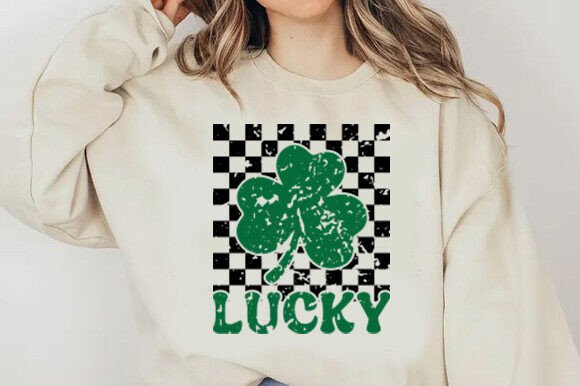
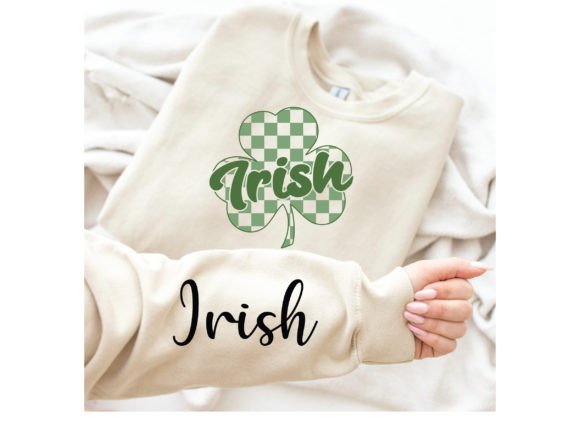
Visually, the layout is balanced. The clover motif is central, but the sleeve element framing it adds a structural integrity that makes the design feel complete rather than floating. This is crucial for custom apparel where you want the eye to travel across the garment, not just stop at a single icon. The detail level is moderate, which is a smart choice for machine embroidery. If this were overly intricate, we would risk thread breaks or a muddy appearance after washing. As it stands, it strikes a happy medium between recognizable graphic design and stitchable texture.
Real-World Application: From Tote Bags to Baby Gear
I recently had a client request a line of St. Patrick’s Day gifts for a local boutique. They wanted something that could transition from a casual tote bag design to a more delicate baby embroidery piece. Retro Irish Svg Sleeve, Lucky Clover Svg proved surprisingly versatile here. On a canvas tote, the bold lines hold up well against the rough texture of the fabric. However, when scaled down for a onesie or a bib, the retro aesthetic softens the look, making it appropriate for infants without losing its thematic identity.
This versatility extends to other handmade product categories. I tested the concept mentally on a sweatshirt embroidery project. Placing this design on the left chest of a heather grey hoodie creates a subtle, sophisticated nod to heritage. Alternatively, center-chest placement on a white t-shirt makes it pop as a statement piece. It also works beautifully as an embroidered patch if you add a border, allowing crafters to sell ready-to-iron-on accessories for hats and jackets.
For the Etsy seller or small shop owner, this design opens up several revenue streams. It fits naturally into holiday embroidery collections, wedding gifts for Irish heritage couples, or even nursery decor. The clean lines make it easy to integrate into printable mockups, helping you visualize the final product before you ever cut a thread. When customers see a high-quality digital preview that matches the potential physical result, buyer engagement increases significantly.
Technical Considerations and Stitch Behavior
While the aesthetic is strong, the true test of any machine embroidery design is how it stitches. Here are the practical realities you need to keep in mind.
- Thread Colors: The retro vibe relies heavily on color palette. Traditional green and gold work, but don’t overlook muted sage greens paired with cream or off-white threads for a more sophisticated, less cliché look. High contrast is key for clarity.
- Stitch Density: You must inspect the stitch density closely. If the fill areas are too dense, the fabric may pucker, especially on lightweight materials. Conversely, if they are too sparse, the stabilizer might show through. Always run a test sample.
- Small Details: Check the tiny corners of the clover leaves. In machine embroidery, very fine points can sometimes become blunt or get lost in the stitching process. If these details are critical to the design’s character, you may need to adjust the underlay or trim settings.
- Hoop Size: Ensure the design fits comfortably within your standard hoop sizes. While this seems obvious, scaling a design to fit a small hoop can distort the aspect ratio, ruining the balance of the sleeve and clover elements.
Where to Exercise Caution
No design is universal, and Retro Irish Svg Sleeve, Lucky Clover Svg has its limitations. I would advise against using this on highly textured fabrics like heavy wool bouclé or extremely thin silks, as the stitch definition will be compromised. Stretchy knits require careful stabilization; if the stabilizer is not matched correctly to the fabric weight, the retro lines may warp during hooping.
Additionally, avoid placing this on curved surfaces like baseball caps unless you have a specialized cap frame and experience with tension adjustments. The flat, graphic nature of the design expects a relatively stable plane. Furthermore, if you are producing items that will undergo frequent industrial washing, such as commercial kitchen aprons, ensure the thread colors are colorfast. Even the best digital embroidery file cannot prevent dye migration if low-quality thread is used.
Final Verdict for the Creative Entrepreneur
Ultimately, Retro Irish Svg Sleeve, Lucky Clover Svg is a solid addition to a designer’s library. It offers a professional, cohesive look that elevates simple garments into branded merchandise. It respects the medium of embroidery by avoiding over-complication while still delivering a distinct graphic impact.
Before purchasing or using this file for commercial purposes, remember to verify the licensing terms. Not all Grahpics sold as T-Shirt Designs allow for unlimited commercial use on finished goods. Confirm whether you are buying a personal license or a commercial license for your crafter business. Also, always test the applique design or satin stitch variations on scrap fabric first. Compare light and dark fabric backgrounds to ensure the contrast holds up. By taking these small steps, you protect your reputation and ensure that every finished product you ship reflects the quality your customers expect.
In a crowded marketplace, standing out requires more than just a trendy theme; it requires execution. This design provides the foundation. Your skill in preparation, stabilization, and finishing will provide the value. Used wisely, this retro clover can be the star of your next seasonal collection.